 True Grit Dumpster Rental
Dumpster Delivery for Brownstones in New York
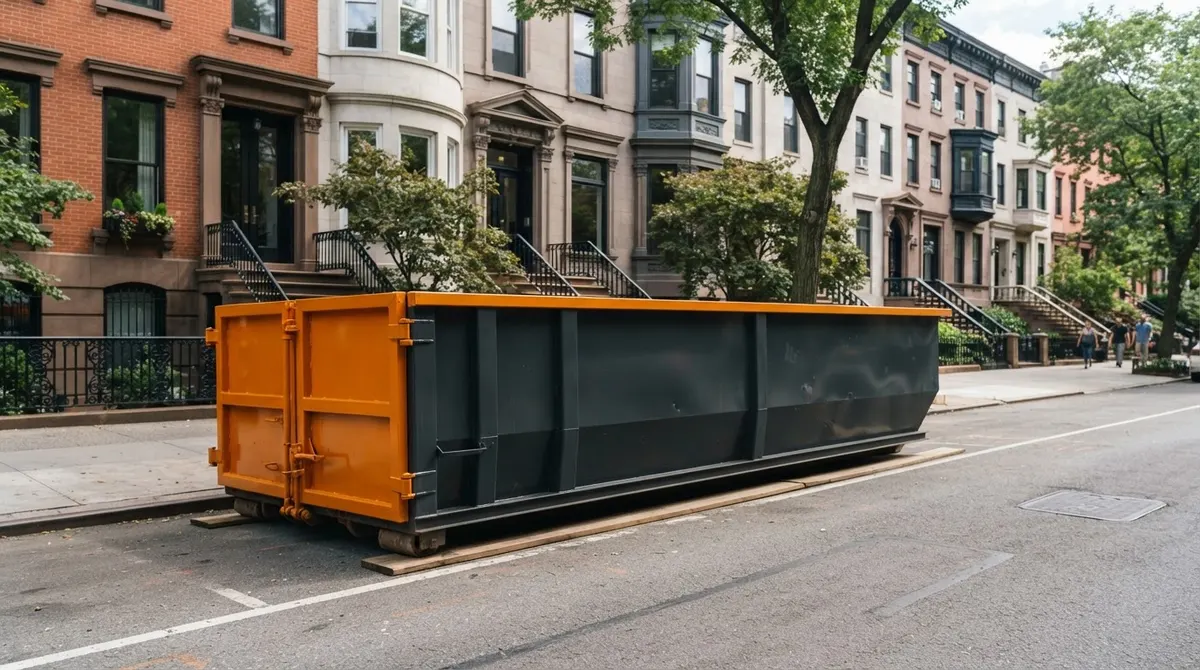
Dumpster delivery for brownstones in New York City, particularly those without a private driveway, involves navigating specific logistical challenges such as street placement permits, narrow street access, and precise container sizing to accommodate debris from renovation projects. Many Manhattan residences, including pre-war walk-ups and classic brownstones in areas like the Upper West Side, Greenwich Village, and Harlem, commonly require street-placed dumpsters due to limited or absent off-street parking. This process necessitates coordination with local regulations and careful planning to ensure efficient debris removal.
Street Placement Options for Driveway-Free Brownstones
<p>Street placement is the primary option for dumpster delivery to New York brownstones lacking a driveway, a common scenario across neighborhoods such as the Lower East Side, Chelsea, and Washington Heights. This method requires a <a href="https://www1.nyc.gov/html/dot/html/motorist/permit.shtml" target="_blank">NYC Department of Transportation (DOT) permit</a> for container placement on public streets. The permit application process accounts for the duration of the rental and the specific street address, often requiring several business days for approval. In dense areas like Tribeca or the East Village, obtaining a permit can be critical to avoid fines and ensure legal placement. Dumpsters are typically placed parallel to the curb, occupying a standard parking space, which often means coordinating with alternate-side parking schedules to avoid disruptions. For brownstones with a curb cut, the dumpster can sometimes be positioned partially within the curb cut area, provided it does not obstruct pedestrian traffic or fire hydrants. A licensed hauler handles the precise placement, ensuring the container is stable and accessible for loading while adhering to <a href="https://www1.nyc.gov/assets/dsny/site/resources/rules/rules-of-the-city-of-new-york-dsny" target="_blank">Department of Sanitation (DSNY) regulations</a>. This approach is standard for many renovation projects near landmarks like Columbia University or Washington Square Park, where private driveways are rare.</p>
Protecting the Sidewalk and Stoop During Delivery
<p>Protecting the sidewalk and stoop during dumpster delivery and loading is crucial for brownstones, as these structures are often historic and susceptible to damage. Heavy debris and the weight of the dumpster itself can cause cracks or chips without proper precautions.</p><ul><li><strong>Plywood Boarding:</strong> Place sheets of 3/4-inch plywood on the sidewalk from the brownstone entrance to the dumpster. This creates a protective barrier for both the sidewalk and the stoop, distributing weight and preventing direct impact from falling debris.</li><li><strong>Ramp for Loading:</strong> Construct a temporary ramp using sturdy planks or specialized ramps to bridge any height difference between the stoop and the street level. This minimizes strain on the stoop during material transfer and reduces the risk of accidental drops.</li><li><strong>Clearance for Roll-Off Truck:</strong> Ensure the delivery area has sufficient vertical and horizontal clearance for the roll-off truck. Overhead wires, tree branches, and building overhangs can impede delivery, particularly on narrow streets in areas like Hell's Kitchen.</li><li><strong>Designated Debris Path:</strong> Establish a clear, unobstructed path for debris removal from the brownstone's interior to the dumpster. This minimizes unnecessary movement of heavy items across sensitive areas and guides workers away from delicate architectural features.</li><li><strong>Supervision During Placement:</strong> Have a site supervisor or homeowner present during dumpster delivery and pickup. This allows for immediate communication with the driver to address any concerns about placement and to ensure protective measures are properly utilized.</li></ul>
Which Dumpster Sizes Fit a Narrow Manhattan Block
<p>Selecting the correct dumpster size is paramount for narrow Manhattan blocks, where space is a significant constraint for brownstones. The available options must balance debris volume with street accessibility.</p><table><thead><tr><th>Dumpster Size</th><th>Approximate Capacity</th><th>Typical Projects Suited For</th><th>Considerations for NYC Blocks</th></tr></thead><tbody><tr><td><strong>10-Yard Dumpster</strong></td><td>Up to 4 pickup truck loads (approx. 2-3 tons)</td><td>Small bathroom remodels, garage cleanouts, single-room renovations</td><td>Fits easily within a standard parking space; ideal for most brownstone projects in areas like Greenwich Village or Inwood where space is tight.</td></tr><tr><td><strong>15-Yard Dumpster</strong></td><td>Up to 6 pickup truck loads (approx. 3-4 tons)</td><td>Medium kitchen remodels, multi-room cleanouts, deck removal</td><td>Requires slightly more space than a 10-yard but still manageable on many narrow streets; good for projects near Central Park or Riverside Park.</td></tr><tr><td><strong>20-Yard Dumpster</strong></td><td>Up to 8 pickup truck loads (approx. 4-6 tons)</td><td>Full kitchen remodels, roof tear-offs (up to 2,000 sq ft), large basement cleanouts</td><td>Can be challenging on very narrow streets; often requires careful placement and a longer permit duration. Less common for driveway-free brownstones.</td></tr></tbody></table><p>For most brownstone renovation projects in neighborhoods like Harlem, the <strong>10-yard dumpster</strong> or <strong>15-yard dumpster</strong> are the most practical choices. These sizes are compact enough to fit within a standard parking space, minimizing obstruction on busy thoroughfares like 125th Street or 1st Avenue. Larger roll-off trucks delivering 30-yard or 40-yard containers often struggle with the tight turns and limited maneuvering room typical of Manhattan's grid, making smaller containers more efficient for debris removal.</p>
Coordinating Delivery With Alternate-Side Parking
<p>Coordinating dumpster delivery with New York City's alternate-side parking rules is a critical step for brownstones without driveways, as these regulations directly impact street placement. Failure to comply can result in fines and the inability to place the dumpster legally.</p><ol><li><strong>Check Local Rules:</strong> Identify the specific alternate-side parking schedule for the brownstone's street. These rules vary by block and neighborhood, often posted on street signs throughout areas like the Upper West Side or Chelsea. The NYC DOT website provides a <a href="https://www1.nyc.gov/html/dot/html/motorist/alt-side-parking.shtml" target="_blank">searchable map for parking regulations</a>.</li><li><strong>Schedule Delivery Strategically:</strong> Plan the dumpster delivery for a day and time when alternate-side parking rules are not in effect or when the street has been swept. This typically means scheduling the drop-off shortly after the street cleaning period has ended, allowing the dumpster to be placed before new parking restrictions begin.</li><li><strong>Secure the Space:</strong> If possible, temporarily reserve the parking space where the dumpster will be placed. This might involve parking a personal vehicle in the spot until the delivery truck arrives, or coordinating with neighbors to keep the space clear.</li><li><strong>Communicate with Hauler:</strong> Provide the dumpster rental company with the precise alternate-side parking schedule. This enables the driver to time the delivery and pickup accurately, minimizing the risk of violations.</li><li><strong>Obtain Proper Signage:</strong> Ensure any necessary temporary "No Parking" signs or cones are deployed if required by the NYC DOT permit. This alerts other drivers to the temporary occupancy of the parking space.</li></ol><p>Adhering to these steps prevents delays and ensures the dumpster can be placed and collected without incident, especially on major corridors like Broadway or near Grand Central Terminal where traffic and parking are consistently dense.</p>
What You Need Ready Before the Truck Arrives
<p>Before the dumpster delivery truck arrives at a New York brownstone, several key preparations can streamline the process and prevent delays, particularly when dealing with no-driveway scenarios.</p><ul><li><strong>Valid NYC DOT Permit:</strong> Ensure the container permit is fully approved and physically present at the site or readily accessible. This permit is mandatory for any street placement and will be checked by the delivery driver.</li><li><strong>Clearance for Placement:</strong> Verify that the designated street-side spot is clear of vehicles, debris, and any overhead obstructions like low-hanging wires or tree branches. The roll-off truck requires significant space to maneuver and deploy the dumpster.</li><li><strong>Payment Information:</strong> Have payment ready, as many dumpster rental services require payment upon delivery or have a pre-payment policy. The minimum charge for services in New York City is typically $595.</li><li><strong>Access to Site Contact:</strong> Provide the dumpster company with a reliable contact person and phone number who will be on-site during delivery. This ensures immediate communication for any unforeseen issues or final placement instructions.</li><li><strong>Protective Materials:</strong> Prepare plywood boarding or other protective materials if the dumpster will be placed on sensitive surfaces or if debris needs to be moved across a stoop or sidewalk.</li><li><strong>Debris Staging Area:</strong> Identify and, if possible, clear a staging area within the brownstone for debris, making it easier to load the dumpster efficiently once it arrives.</li><li><strong>Understanding Prohibited Items:</strong> Familiarize yourself with materials not allowed in the dumpster, such as household hazardous waste, asbestos, or certain electronics, which require specialized disposal (refer to <a href="https://www.epa.gov/hw" target="_blank">EPA guidelines for hazardous waste</a>).</li></ul>
Need it handled now? See Dumpster Rental in New York.